Investing
What Is a Triple-Net Lease?
A triple-net lease generally means the tenant pays base rent plus property taxes, insurance, and maintenance. The lease in your hand defines the words. Two listings that both say NNN can still describe different deals.
Quick answer
Start with base rent. Then list taxes, insurance, and maintenance, and see which of those the tenant actually pays, which are capped, and which stay with the landlord. Reconcile estimates to actual bills once a year if the lease says so. Have an attorney read the lease before you sign.
Key takeaways
- NNN usually points at taxes, insurance, and maintenance on top of base rent.
- The lease controls. Labels in a flyer do not.
- Tenants should underwrite total occupancy cost. Investors should underwrite what is not reimbursed.
- A reconciliation compares estimates with actual expenses. It is not automatic profit.
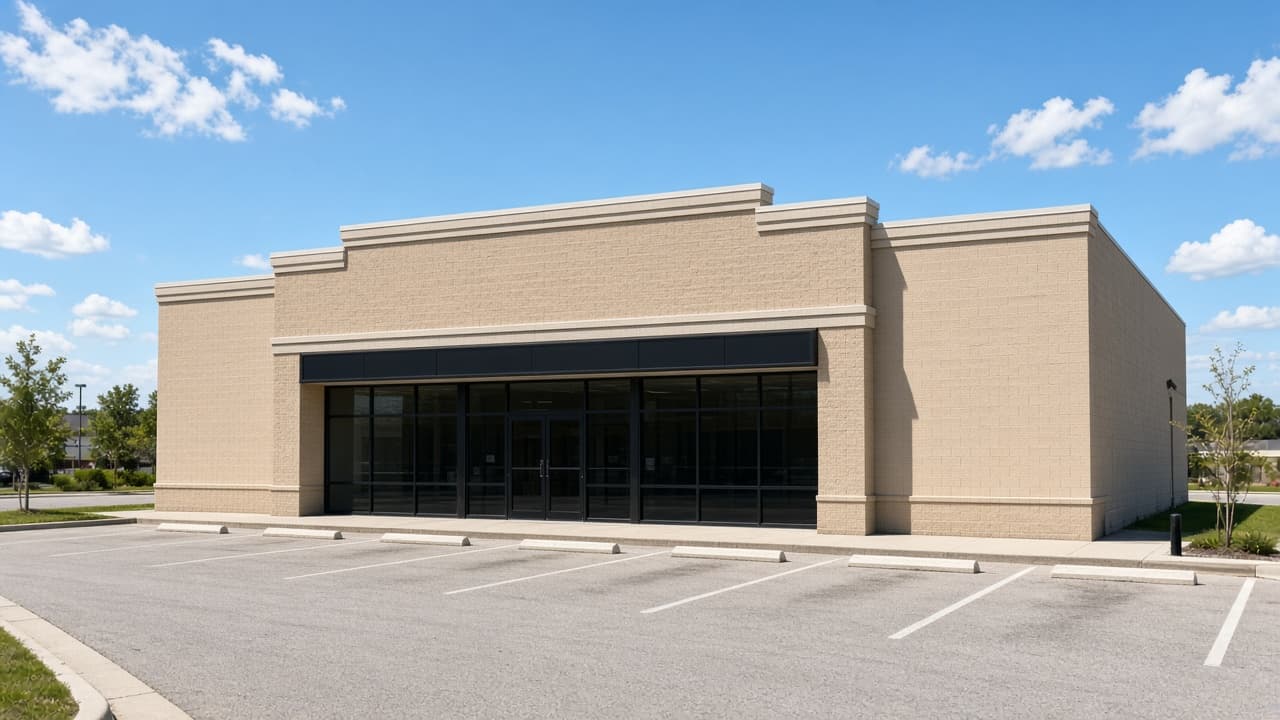
Base rent and the three nets
Base rent is the contract rent before expense pass-throughs. In a triple-net structure, the tenant is also billed for property taxes, building insurance, and some or all maintenance. Landlords like the structure because increases in those costs are not stuck inside a flat rent. Tenants accept it when the base rent is priced with that burden in view, and when the pass-through list is finite.
Base rent + taxes + insurance + maintenance
Illustration: base rent of $10 per square foot on 8,000 square feet is $80,000. Add illustrative taxes of $16,000, insurance of $4,000, and maintenance of $8,000, and the occupancy picture is $108,000. These are round numbers for the arithmetic. They are not Omaha or Lincoln rents or tax bills.
| Line | Amount | Who should confirm it |
|---|---|---|
| Base rent | $80,000 | The lease |
| Taxes | $16,000 | The tax bill, not a guess |
| Insurance | $4,000 | The policy the lease requires |
| Maintenance | $8,000 | The lease’s definition, plus actual contracts |
| Illustrated total | $108,000 | Nobody, until the documents match |
Use the NOI method on the landlord’s side. Reimbursements are income only if the lease actually obligates the tenant and the tenant pays. A pass-through you cannot collect is not NOI. The NOI calculator will not read the lease for you.
Why the label moves
People use NNN loosely. An absolute net lease may push structural repairs, and sometimes the roof, toward the tenant. A double-net lease often leaves more maintenance with the landlord. A modified gross lease folds some expenses into base rent and bills others back. A full-service office lease can do the opposite: the landlord pays expenses from the rent, sometimes above a base-year stop. None of these sentences replaces the definitions section of a particular lease.
Capital items are the usual fight. A roof replacement, a parking-lot reconstruction, and a code-required upgrade may be excluded, amortized, or billed in full. Management fees may be included in maintenance or banned. A cap may limit how fast controllable expenses can rise, while taxes and insurance stay outside the cap. If the flyer says NNN and is silent on the roof, you do not yet know the deal. Retail and investment buyers should assume the lease is the asset.
Tenant view and investor view
Tenants should add base rent and the net charges before they compare two spaces. A lower base rent with uncapped taxes can cost more than a higher base rent in a different structure. Ask for the last two years of reconciliations and the current tax bill. A brand-new estimate with no history is a forecast. Your attorney should review the lease.
Investors should ask what still hits the landlord: vacancy, credit loss, structural repairs the lease excludes, and any expense that cannot be billed through. A single long-term tenant can make the income look calm and still concentrate the risk in one credit and one expiration. A cap rate on that income is only as calm as the lease. Compare buildings only after the NOI is built the same way.
How reconciliation works
During the year, the tenant often pays an estimate of taxes, insurance, and maintenance with the rent. After year-end, the landlord compares estimates with actual expenses and sends a reconciliation. The tenant pays a shortfall or receives a credit. The lease sets the deadline, the right to review backup, and how disputes are handled. A reconciliation is bookkeeping required by a contract. It is not a chance to invent new categories.
Buyers of leased property should read the last reconciliation against the general ledger. Tenants should keep the backup. If you cannot explain a line, ask before you close or before you pay it. Your accountant can help with the records. Your attorney can help if the lease is unclear. Bryan can tell you whether the income story is coherent enough to take to market or to a lender.
Questions people ask
Does NNN mean the tenant pays for everything?
Not by itself. Many NNN leases still leave structural items, some capital work, or landlord overhead outside the pass-through. The definitions in that lease control.
Is a triple-net building passive?
The expense billing can be more stable. Vacancy, tenant credit, excluded repairs, and the end of the lease are still the owner’s problem. Passive is a marketing word. The rent roll is the fact.
How do I compare two NNN listings?
Rebuild total rent for a tenant, or NOI for an investor, from the leases and the bills. Do not compare base rents alone, and do not compare cap rates built from different expense treatments.
Will Bryan explain my lease?
He can help you see the commercial effect on price or occupancy cost. An attorney explains the clause.
Written by Bryan Robinson, a Professional Sales Agent with NHS Commercial, licensed in nebraska.
Want help evaluating a commercial property?
Call or text Bryan at 402-521-3000 to talk through a specific property.

Bryan Robinson
NHS Commercial
Professional Sales Agent | Licensed in Nebraska