Lincoln
Buying Commercial Property in Lincoln
Lincoln is its own commercial market. Downtown Lincoln and the north, south, east, and west parts of the city draw different users. An Omaha comparison is not evidence until you can explain the difference.
Quick answer
Define the use and the part of Lincoln that serves it, then confirm zoning with the City of Lincoln or Lancaster County, whichever governs the parcel. Underwrite income or occupancy with this building’s numbers rather than an Omaha rent or sale price.
Key takeaways
- Downtown, north, south, east, and west Lincoln are not one trade area.
- Lancaster County sites still have a jurisdiction. Confirm which government answers.
- Omaha sales are a different market. They do not price a Lincoln building by themselves.
- The calculators work the same. The leases, taxes, and streets do not.
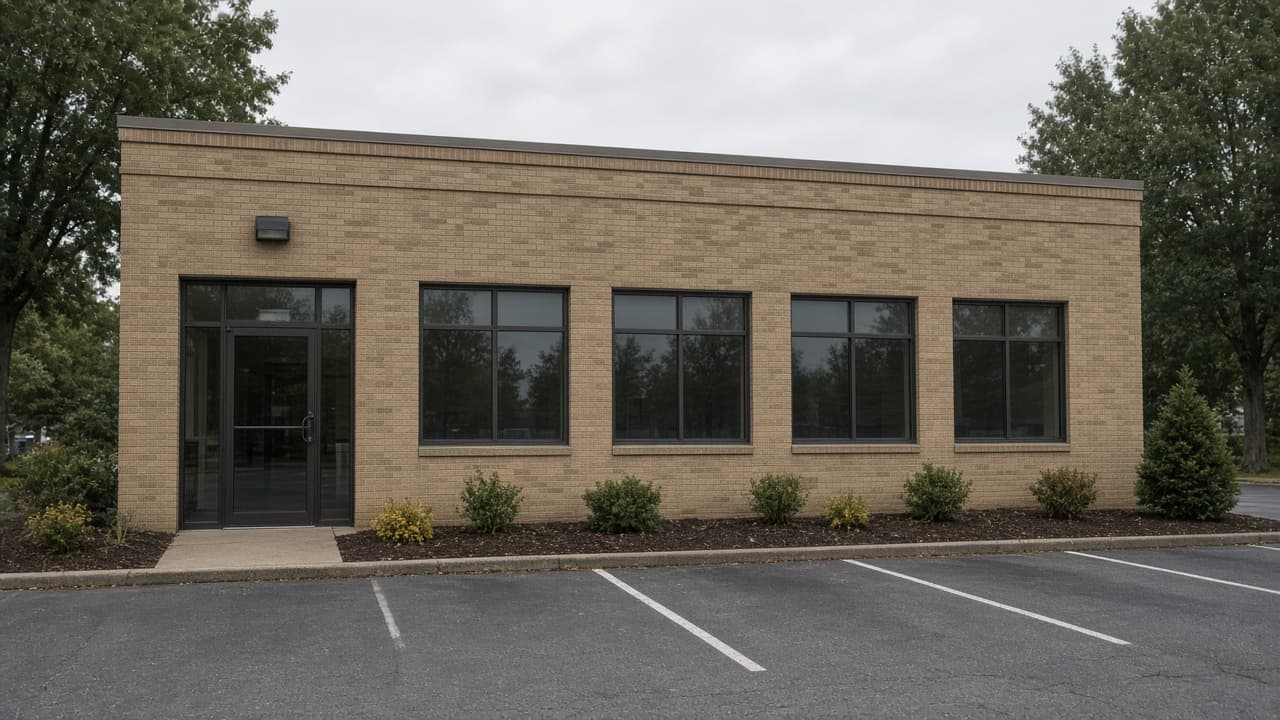
Lincoln is not a smaller Omaha
Buyers sometimes arrive with an Omaha building in their head and a Lincoln budget in the other. The streets, the tenant base, the taxes, and the city rules are not a scaled copy. Lincoln commercial real estate is the hub for that distinction. This article is how to buy once you accept it.
Lancaster County is the county setting. Inside Lincoln, downtown is a tighter pattern: parking, older buildings, and uses that have to fit the block. North Lincoln, south Lincoln, east Lincoln, and west Lincoln draw different users. A retailer who needs visibility will not sort those areas the way a distributor who needs a truck route will. This page will not assign a property type to a direction. The address has to earn that conclusion. Drive the route your customers, employees, or trucks will actually use.
| Decision | Ask in Lincoln | Do not borrow from Omaha |
|---|---|---|
| Location | Which part of the city does this operation need? | A west Omaha commute pattern |
| Access | Can the vehicle you use make the turn on this street? | An interstate assumption that was never driven |
| Rules | City of Lincoln or Lancaster County? | Another city’s zoning table |
| Price | Which Lincoln facts support it? | A sale from the other metro, unadjusted |
Match the building to the work
Industrial buyers should measure clear height, doors, truck space, power, and the approach from the public street. The industrial checklist is the field list, and the industrial page is the type overview. Office buyers should test parking and layout against headcount, downtown and elsewhere. Office covers that. Retail buyers should stand where a customer would stand: visibility, the turn-in, and whether the use is allowed. Retail is the companion.
Land in Lancaster County, including sites outside the core of Lincoln, still has to satisfy the jurisdiction that governs the parcel. Utilities, drainage, and zoning are site facts, not a vibe about growth. The land page lists the questions. An owner-user should also read buying an owner-occupied building and lease or buy before treating a purchase as the only way to occupy space in the city.
Investment analysis without a Lincoln average
If you are buying income, build it from the Lincoln leases and the Lincoln bills. Vacancy in the model is this property’s allowance or a forecast you label. It is not a rate copied from a national note or from Omaha. How to evaluate an investment is the sequence. The arithmetic lives in the NOI, cap rate, cash-on-cash, DSCR, and investment return calculators. They calculate what you type. They do not know the block.
Financing still comes down to equity, coverage, amortization, and maturity. The lender underwrites this property and this borrower. How financing works explains the terms. Use the rate on your term sheet. A multifamily or mixed-use purchase follows the income on the multifamily or mixed-use page. Medical space adds a layout that may not convert. Read medical and specialty before you assume a clinic becomes ordinary office.
What to confirm before you rely on the building
Zoning first, with the City of Lincoln or Lancaster County, depending on the parcel. Permitted use, parking, signs, outdoor storage, and any change of occupancy are checklist items, not assumptions you carry over from a previous city. A downtown building that has housed a shop for years can still be the wrong district for your version of a shop.
Then title, survey, and access. A curb cut you used on the tour is not the same as insured access. ALTA surveys and title review explain the difference. Environmental history is a Phase I question when the use, the age of the site, or the lender calls for it. What a Phase I does is a records-and-observation study by an environmental professional. Put those reports inside a diligence period that can actually hold them. The due diligence checklist is the agenda.
Questions people ask
Should I compare a Lincoln building with one in Omaha?
Only as two separate options for a business that can truly operate in either city. Do not use an Omaha sale as the price of a Lincoln building. The expenses, the tenants, and the rules differ.
Is north Lincoln the industrial area?
This site will not assign property types to compass points. North, south, east, west, and downtown draw different users. Test truck access, customers, and zoning at the address.
Who do I call about zoning?
The City of Lincoln or Lancaster County, whichever has jurisdiction over that parcel. A listing, a neighbor, and a prior use are clues. They are not the approval.
Do the same calculators apply in Lincoln?
Yes. NOI, cap rate, cash-on-cash, and DSCR are formulas. They become Lincoln conclusions only when the inputs are this property’s inputs. There is no Lincoln cap rate published here.
Written by Bryan Robinson, a Professional Sales Agent with NHS Commercial, licensed in nebraska.
Want help evaluating a commercial property?
Call or text Bryan at 402-521-3000 to talk through a specific property.

Bryan Robinson
NHS Commercial
Professional Sales Agent | Licensed in Nebraska